A day in the life of a dental nurse
Thinking about becoming a dental nurse and wondering what the job is really like?
Dental nursing is a varied, hands-on career that combines patient care, teamwork, practical skills and clinical knowledge. While a dental nurse works closely with the dentist during treatment, the role involves much more than passing instruments.
A good dental nurse helps patients feel comfortable, prepares the surgery, supports the dental team, follows strict infection prevention procedures, keeps accurate records and helps make sure treatment is delivered safely and efficiently.
If you are caring, organised, calm under pressure and enjoy working with people, dental nursing could be a rewarding career to consider.
What does a dental nurse do during a typical day?
No two days are necessarily the same. Your day could include routine examinations, fillings, hygiene appointments, extractions, root canal treatments or more complex procedures.
You may also see patients who are nervous about dental treatment or who need additional reassurance and support.
A typical day could involve:
- Preparing the dental surgery before patients arrive.
- Checking that instruments, materials and equipment are ready.
- Welcoming patients and helping them feel comfortable.
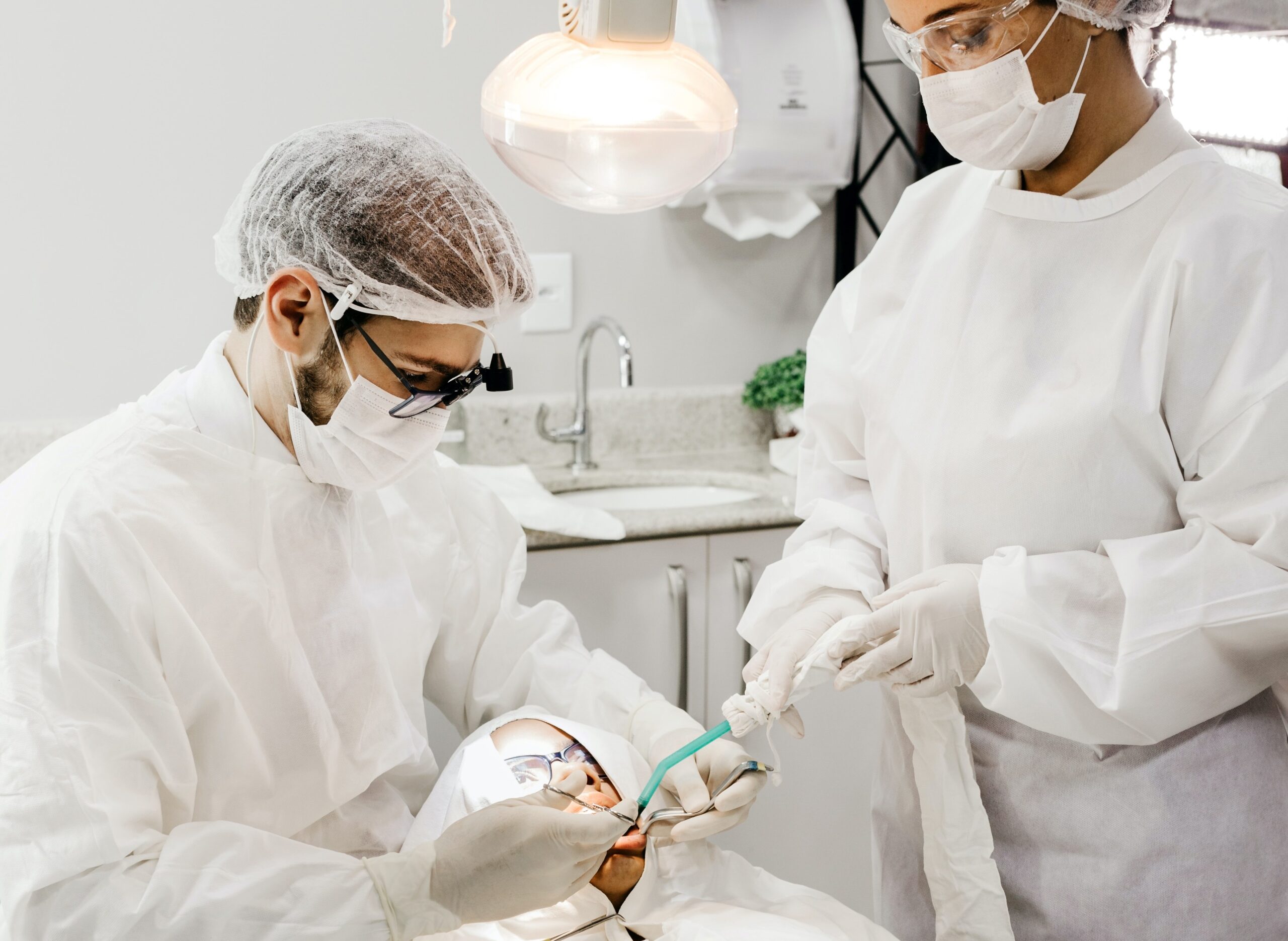
- Supporting the dentist during examinations and treatment.
- Preparing materials and passing instruments when required.
- Keeping the treatment area clean and organised.
- Following infection prevention and decontamination procedures.
- Supporting the dental team with accurate patient records and other required documentation.
- Cleaning and preparing the surgery between patients.
- Reassuring patients and explaining what will happen during their appointment.
- Completing end-of-day cleaning, checks and preparation.
The exact responsibilities will depend on the practice, your experience and the treatments being provided.
The patient comes first
One of the most important parts of dental nursing is caring for patients.
Going to the dentist can make some people nervous. A patient may be worried about pain, embarrassed about their teeth or anxious because they have not visited a dentist for a long time.
A dental nurse can make a significant difference simply by being calm, friendly and understanding.
You might welcome a nervous patient, explain what will happen next, listen to their concerns or help them feel more comfortable while they are waiting for treatment.
Good communication is an important part of the role. You need to treat patients with dignity and respect, communicate appropriately and recognise when someone may need additional support.
Being empathetic is therefore more than being a nice quality to have. It is an important part of providing good patient care.
What does a dental nurse do during treatment?
During treatment, the dental nurse works closely with the dentist and other members of the dental team.
Before the procedure begins, you may help prepare the surgery, instruments and materials needed for the appointment.
During treatment, your responsibilities may include passing instruments, preparing materials, maintaining a clear working area and anticipating what the dentist may need next.
You also need to remain aware of the patient’s wellbeing throughout the procedure.
For example, you may notice that a patient is becoming uncomfortable or anxious and alert the dentist appropriately.
This requires concentration, good communication and the ability to work as part of a team.
Examinations
A routine dental examination may look simple from the patient’s point of view, but there is preparation and support involved behind the scenes.
The dental nurse prepares the surgery, welcomes the patient and helps ensure that the dentist has the equipment and materials required.
They may also assist with records and other clinical procedures carried out during the appointment.
Fillings and other routine treatments
For a filling, the dental nurse prepares the surgery and materials, supports the dentist during treatment and helps maintain a clean and organised working environment.
The nurse needs to understand the procedure well enough to anticipate what may be required without taking over the dentist’s role.
More complex treatments
Dental nurses can also support treatments such as extractions, root canal treatment, crowns, bridges and implant procedures, depending on their training, competence and practice setting.
These appointments can require more preparation and a good understanding of the instruments, materials and stages involved.
This is one reason dental nursing can be an interesting career. As your knowledge and experience develop, you can become familiar with a wide range of treatments and procedures.
Infection prevention and patient safety
A major responsibility of every dental team is keeping patients, staff and visitors safe.
Dental nurses play an important role in infection prevention and control.
This includes following practice procedures for cleaning, decontamination and processing of instruments, preparing treatment areas correctly and using appropriate personal protective equipment.
You will also need to understand how to handle and dispose of waste safely and follow the practice’s infection prevention procedures.
These responsibilities may not be the most visible part of the job, but they are essential.
Dental nurses also need to understand their responsibilities around patient safety, medical emergencies, safeguarding, confidentiality and accurate record keeping.
Professionalism matters throughout the working day.
Working as part of a dental team
Dental nursing is a team-based profession.
Depending on the practice, you may work alongside dentists, dental hygienists, dental therapists, orthodontic professionals, practice managers and other dental nurses.
Good teamwork helps appointments run smoothly and supports safe patient care.
You need to be able to communicate clearly, listen to instructions, ask questions when you are unsure and understand your responsibilities within the team.
You will also develop confidence as you gain experience. Things that seem unfamiliar when you first start can become much more natural with training and practice.
What skills make a good dental nurse?
You do not need to know everything before you start training. Your course and workplace experience will help you develop your clinical knowledge and practical skills.
However, some personal qualities are particularly valuable.
A good dental nurse is often:
- Caring: You genuinely want patients to feel comfortable and supported.
- Empathetic: You understand that dental treatment can be frightening or difficult for some people.
- Calm: You can remain focused when an appointment does not go exactly to plan.
- Organised: You can prepare surgeries, instruments, materials and paperwork efficiently.
- A good communicator: You can communicate clearly with patients and colleagues.
- A team player: You understand that good dental care depends on everyone working together.
- Observant: You notice what is happening around you and can anticipate what may be needed.
- Professional: You understand the importance of confidentiality, boundaries, safety and appropriate behaviour.
You also need to be willing to learn. Dental nursing involves both theoretical knowledge and practical skills, and your learning continues as you gain experience.
Is dental nursing difficult?
Like any healthcare role, dental nursing comes with responsibilities.
You may need to work on your feet, manage several tasks, deal with nervous patients and remain focused during clinical procedures. Some treatments can also be demanding, particularly when a patient is very anxious or when an appointment does not go as expected.
However, many people find the combination of practical work, patient contact and teamwork rewarding.
You can see the difference you make during an appointment. Sometimes that may simply mean helping a nervous patient feel calmer. At other times, it may mean supporting the dental team through a complex procedure.
Those small contributions can make a real difference to someone’s experience of dental care.
Every day can be different
One of the attractions of dental nursing is the variety.
One appointment might be a routine examination. The next could be a filling, extraction or root canal treatment. You may also see children, older patients, nervous patients or people requiring additional support.
As you gain experience, you can also explore different areas of dentistry.
Some dental nurses work in general dental practice, while others develop experience in areas such as orthodontics, oral surgery, dental implants or other specialist services.
Your career does not necessarily have to look the same throughout your working life.
How do you become a dental nurse?
Dental nursing is a regulated profession, so choosing an appropriate training route is important.
There are recognised routes into dental nursing, including approved qualifications and apprenticeships. If you are considering the NEBDN Level 3 Diploma in Dental Nursing (RQF), you will need to understand the qualification requirements, workplace experience and assessments involved.
Training combines knowledge with practical experience. For the NEBDN Diploma, learners must be working as trainee dental nurses with an NEBDN provider. Depending on your chosen route, you may study online, attend face-to-face classes or complete an apprenticeship while working.
For the NEBDN Diploma, workplace experience and the Portfolio of Evidence form an important part of the qualification, alongside the required assessments.
Once you have completed the relevant qualification, you can apply to the General Dental Council (GDC) for registration, subject to meeting the GDC’s requirements.
Could dental nursing be right for you?
If you enjoy working with people, want a practical career and like the idea of working as part of a healthcare team, dental nursing could be worth exploring.
You do not need to be an expert in dentistry before you begin. What matters is being willing to learn, take responsibility and develop the practical and professional skills the role requires.
Most importantly, you should care about people.
A dental nurse can be the person who helps a nervous patient feel safe, supports the dentist during treatment and helps the whole appointment run smoothly.
That combination of people, practical work, teamwork and healthcare is what makes dental nursing a worthwhile career for many people.
If you are considering becoming a dental nurse, take the time to understand the training routes available, the practical requirements and what working in a dental practice is really like before you make your decision.
Contact us to find out more!