0208 993 4500
 dental@schoolofdentalnursing.com
 +44 7856 755880
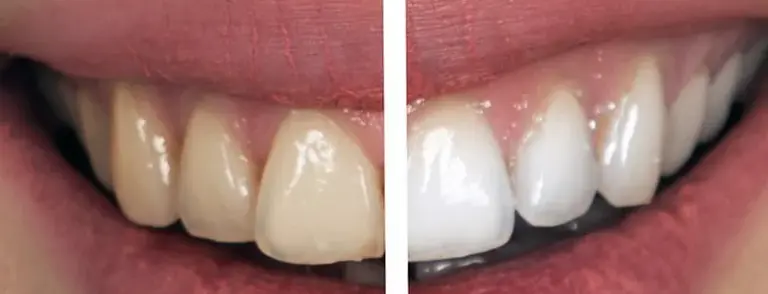
No one in a dental surgery has “smile maker” printed on their name badge. Yet ask any nervous patient who helped them through their treatment, and they will often describe the person beside the dentist: the one who explained what was happening, passed every instrument on cue and made the room feel calm.
That person is a dental nurse. If you are drawn to science, health or simply helping people feel better, here is a clear, step-by-step route to becoming a qualified dental nurse in around 12 months, even if you are starting from scratch or changing careers.
What Does a Dental Nurse Do?
Dental nurses provide chairside support, which means working right beside the clinician during treatment. They support dentists, dental hygienists, dental therapists and other members of the dental team.
Day to day, that includes preparing the surgery, passing instruments, keeping patient records accurate and reassuring patients. It also includes cross-infection control: making sure germs cannot travel from one patient, instrument or surface to the next. Think of it as the hygiene discipline of a top restaurant kitchen, applied to every single appointment.
Your Roadmap to Qualifying in Three Steps
Step one: register on the Level 3 Diploma in Dental Nursing
Your qualification is the Level 3 Diploma in Dental Nursing, a nationally recognised qualification awarded by the National Examining Board for Dental Nurses (NEBDN). It is the formal training that turns enthusiasm into professional competence.
Step two: learn in the classroom and earn in a practice
The diploma combines two kinds of learning:
- Theory at the School of Dental Nursing, usually through classes held once a fortnight from 10am to 5pm.
- Practical experience as a trainee dental nurse, working in a real dental practice where you put that theory into action and get paid while you learn.
Not working in a dental practice yet? That is completely normal. We will work with you to find a trainee placement.
Step three: register with the GDC and start your career
Once you pass the diploma, you can apply to register with the General Dental Council (GDC) as a Dental Care Professional. The GDC is the UK body that regulates dental professionals, and registration works like a professional licence. It allows you to practise as a qualified dental nurse.
The Step Where Most Beginners Get Stuck
Here is a useful thinking habit called inversion: instead of asking “How do I succeed?”, ask “Where am I most likely to get stuck?” For most beginners, the honest answer is step two: securing a placement and keeping up with study alongside work.
Plan for it from day one:
- Ask for placement support early, before your course starts if possible.
- Block out your class days in your calendar now, and tell your employer about them.
- Set one weekly study slot for reading and your portfolio, and protect it like a shift.
When you speak to a practice, try this simple script: “I’m starting my Level 3 Diploma in Dental Nursing and I’m keen to learn. Could I tell you how the course works and how I could support your team?” It shows commitment and makes saying yes easy.
Who Is This Course For?
The course suits anyone with a genuine interest in dentistry who wants a career as a dental nurse. That includes:
- people already working in a dental practice who need a formal qualification,
- school leavers looking for a first career,
- adults looking for a career change into healthcare.
Entry Requirements
You do not usually need formal academic qualifications to train. NEBDN requires learners to be 16 or over, to be working as a trainee dental nurse, and to live in the UK with the right to work here.
You will normally be asked to take a literacy test to make sure your written English is strong enough for patient records and coursework. If you need support, the School of Dental Nursing can arrange English language training.
How Much Does It Cost?
- Registration deposit: £390 (non-refundable).
- Course fee: £1,790 in total, including the deposit, payable in eight monthly instalments.
- Examination fee: an additional examination fee is also payable. Ask us for the current amount.
Now apply some second-order thinking, which means looking one step beyond the obvious. Once you qualify, there is also an annual fee to stay on the GDC register. For dental care professionals it was £108 in 2026, and it is reviewed each year. On the other side of the ledger, you earn a wage as a trainee throughout the course and avoid the large student debt that can follow a university degree.
Where Your Career Can Go Next
Qualifying is the beginning. Many dental nurses go on to:
- specialise, for example in dental radiography, oral health education, sedation or orthodontic nursing,
- teach, becoming a dental nurse tutor with a recognised teaching qualification,
- progress clinically, training as a dental hygienist or dental therapist, which usually requires further study at degree level.
If you are weighing up a career change, try regret minimisation. Picture yourself a year from now. Would you rather be a newly qualified dental nurse, or still wondering what might have been?
Quick-action summary
- Enrol on the NEBDN Level 3 Diploma in Dental Nursing.
- Study fortnightly and work as a paid trainee in a dental practice.
- Pass, register with the GDC, and practise as a qualified dental nurse.
- Plan your placement and study time early; that is where most beginners stall.
Start Your Smile-Making Career
Twelve months from now, you could be the calm, confident person a nervous patient remembers.
Ready to step into your potential and become a qualified, registered dental nurse? Apply Now – School of Dental Nursing Application Form
Have questions or want informal advice first? Speak with an experienced advisor. Book a Call with an Advisor, call 0208 993 4500 or email dental@schoolofdentalnursing.com.